
Childishly Fresh Eyes
On Curry Barker's 'Obsession' (2025), Kane Parson's 'Backrooms' (2026), YouTube cinema, and the competence epidemic

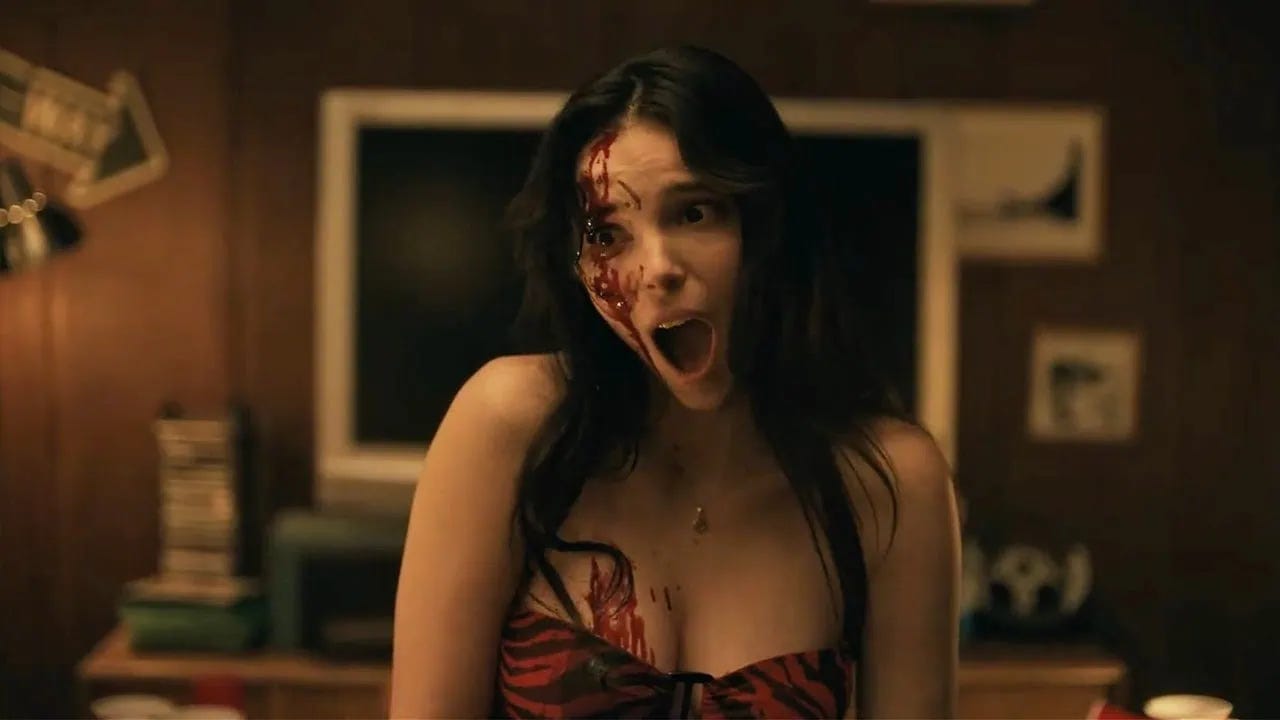
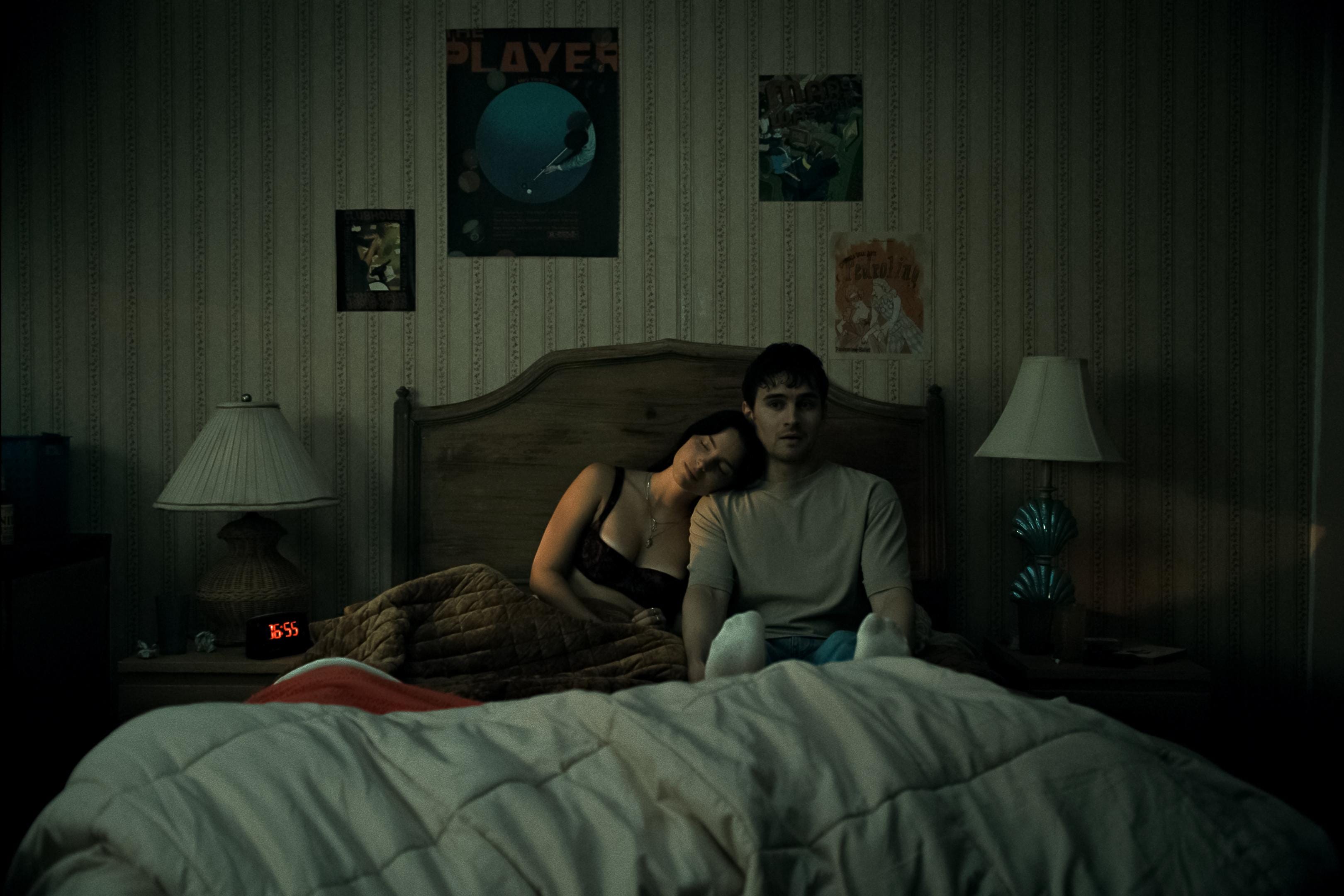
Though they are both horror films, Obsession (2025) and Backrooms (2026) are two very different projects, both in terms of the resources they had at their disposal — the former’s $750,000 budget pales in comparison to the latter’s $10 million — and their differing ideas around what constitutes an engaging horror experience. This has not stopped the two films from being lumped in together to create a Barbenheimer-lite Frankenstein monster of free social media-driven publicity. The thing dominating the narrative though, aside from the predictable chatter about box office returns among people hellbent on doing the trades’ work for them, is the fact that the two films were helmed by directors who both got their start on YouTube.
Recent years have seen an uptick of filmmakers who made the jump from the video platform to the industry proper, with Danny and Michael Philippou (2022’s Talk to Me), Chris Stuckmann (2024’s Shelby Oaks), and Mark Fischbach a.k.a. Markiplier (2026’s Iron Lung) all releasing their debuts in the 2020s. Though reactions have been decidedly mixed, there was some speculation around whether or not YouTubers (a broad category that includes anything from what could be derogatorily termed “content creators” to feature filmmakers who just happen to upload their work to the site) would eventually constitute a new and exciting generation of cineastes, similar to the “film school generation” that went on to define the New Hollywood era.
Until recently it was easy to snicker at this hypothesizing, mainly because the directors in question had more in common with eager employees rather than stubborn cinematic visionaries. They were “creatives” (a sickeningly corporate term) whose artistic ideals were centered mostly around delivering a “professional” product, i.e. one that doesn’t reveal its budgetary restrictions and instead can convincingly mimic the look and feel of more elaborate film and television productions. The move from short-form video to feature-length film was hardly marked by any noticeable artistic development and was more reminiscent of an assimilation process that (rather transparently) sought to subsume creative resources into the aesthetic and industrial confines of larger-scale filmmaking.
However, the conversation underwent a notable shift with the theatrical release of Obsession and Backrooms in May of this year. Not only were both films made by directors who cut their teeth on YouTube, they also managed to generate genuine hype, excitement that wasn’t limited to small pockets of the internet. The pictures also turned out to be immensely successful: both films have brought in well over $300 million against their comparatively modest budgets and Obsession’s $341 million return (as of June 26, 2026) has made it one of the most profitable films of all time.
But the numbers themselves aren’t as interesting as what they represent. Talking about Gen Z audiences, Obsession writer-director Curry Barker had this to say in an interview with The Hollywood Reporter: “I wish [studios] understood that we’re tired of slop. We want good movies back. People are still hungry for movies that are original without some big IP, as long as the story is good.” His words reflect a widespread, if not particularly meaningful, attitude, something studios have surely picked up on as well. What the two films seem to signal most of all is that YouTube talent could not only produce something of quality (or at least something that sufficiently signifies it) but also resonates with the wider public, beyond the horror genre’s usual built-in audience. But do the films actually live up to the hype? Are they indeed worthy of being considered heralds of an industry sea change?
Backrooms is an adaption of director Kane Parson’s YouTube webseries of the same name which was in turn inspired by a creepypasta that originated on 4chan. The extraordinarily popular videos (the first entry, “The Backrooms (Found Footage), currently sits at 88 million views) stood out for their simple ingenuity and resourcefulness (Parsons created the entire series in Blender, adding VHS scanlines and putting characters in hazmat suits to work around certain limitations) but it’s remarkable how little of the webseries’ fragmented and loose storytelling made it to the silver screen. The fact that a theatrically-released film can’t share more of its DNA with a series of creepy, atmospheric YouTube videos is indicative of how regimented and constricting industrial filmmaking is even at a relatively modest scale.
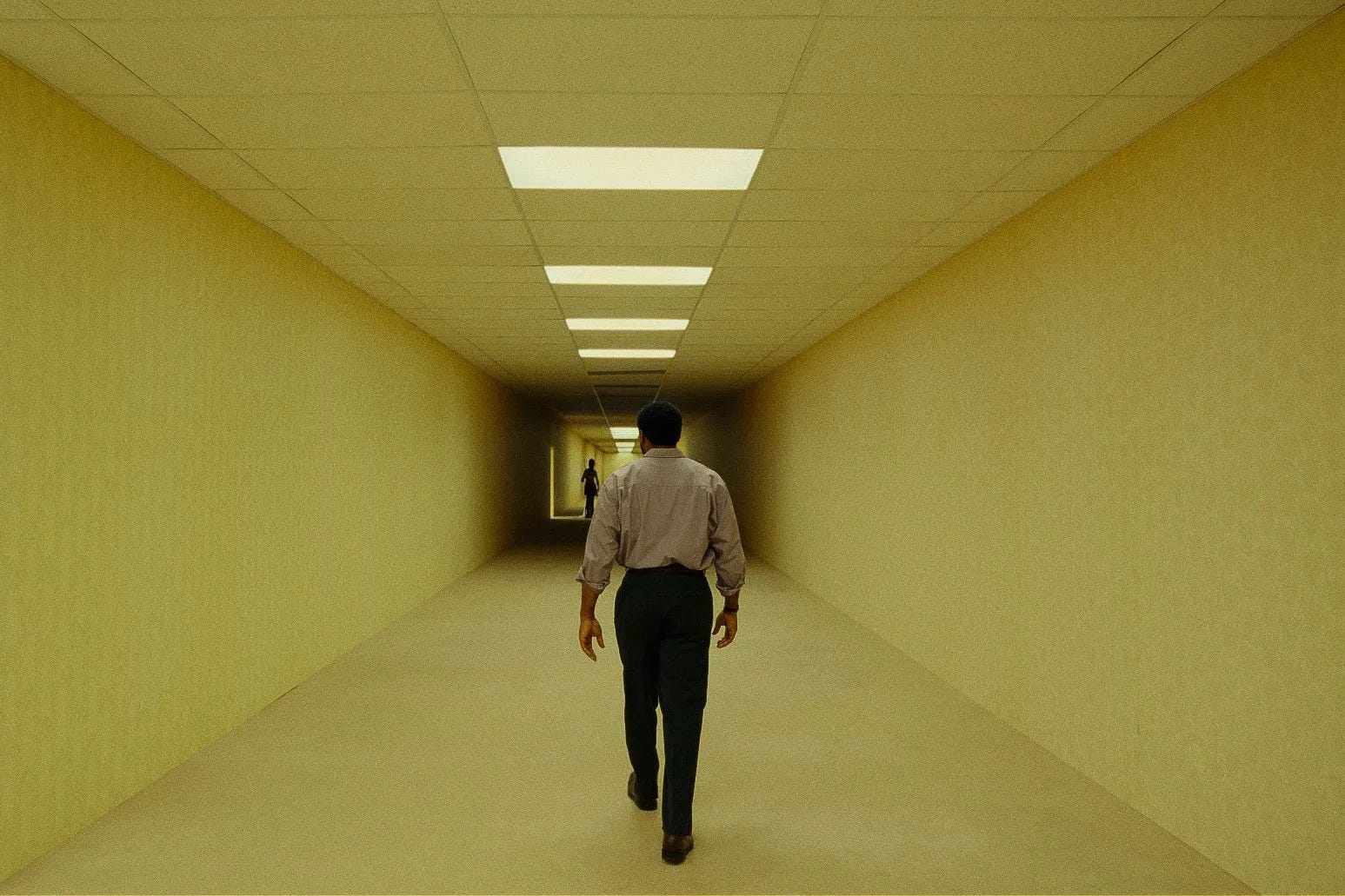
The film is plagued by a lack of conviction that worms its way into every facet. Neither Parsons nor screenwriter Will Soodik have faith in their images, their ideas, or the formal possibilities they open up. As a film financed by Chernin Entertainment and AI bedfellows A24, there is, predictably, a fixation on “theme” and “subtext” since that is what “serious” films (part of the brand A24 has been trying to cultivate) are supposed to do. But watching Backrooms, it’s clear that it is merely going through the motions as far as its drama and character development is concerned and the various metaphors, allegories, and psychic manifestations are rendered incoherent as a result.
There are glimmers of what might eventually blossom into a more captivating cinematic vision. The SOV sequences are when the film really springs to life, clear highlights that Parsons nonetheless seems in a hurry to get away from in order to return to the usual sites (hyper-legible character psychology, grief, trauma, and the very framework of psychotherapy itself) from which dramatic and narrative resources can be mined. It’s all just too neatly manicured, constructed in order to land with both the “liminal space” online subculture — the film even goes as far as putting the Caretaker on the soundtrack as a wink in that direction — and the culturati that is still preoccupied with work it can deem smart, important, or relevant in some way.
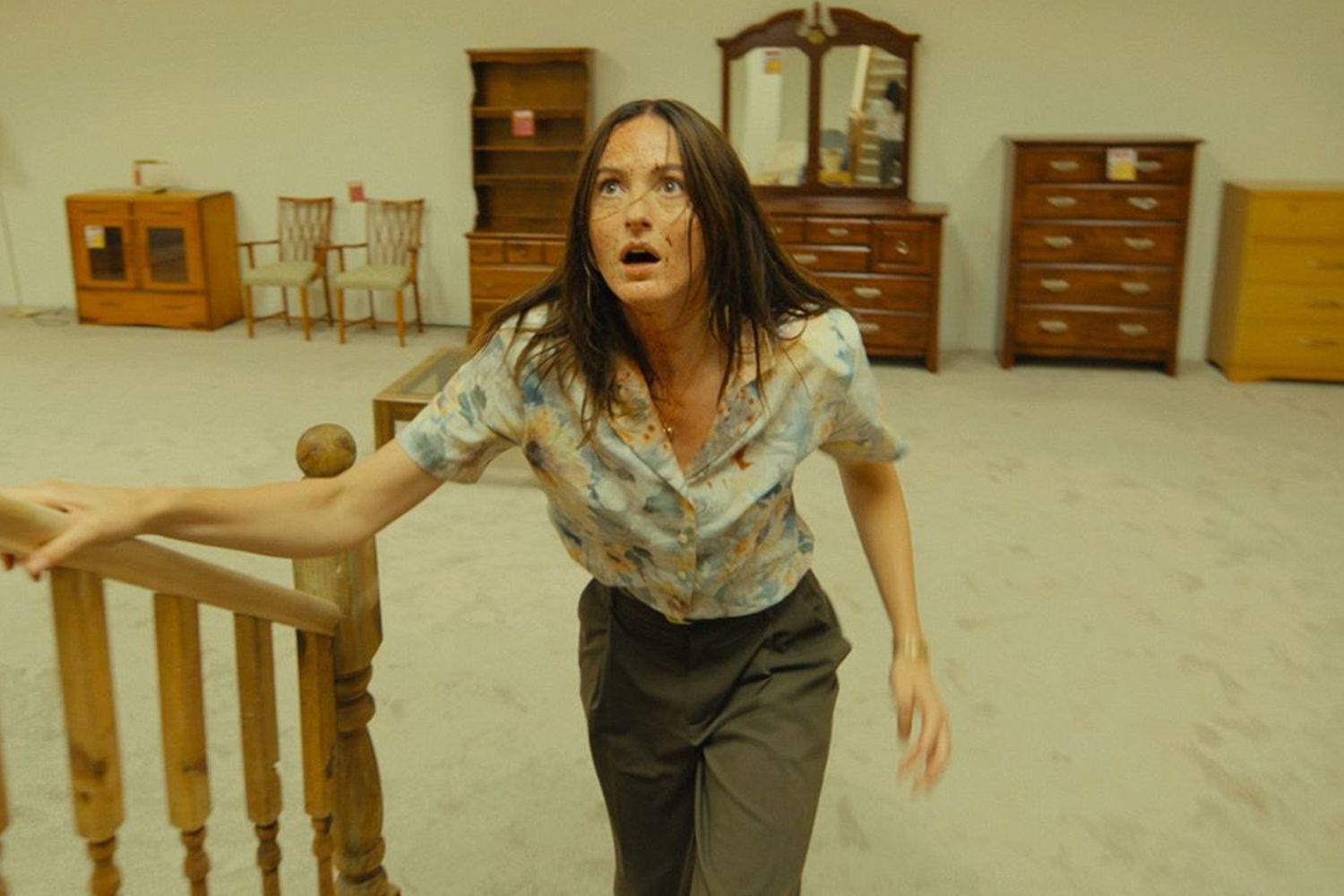
Considering the landscape it was released into, it’s unsurprising that Backrooms is often incredibly schematic. We are in the midst of a epidemic of bland competence; it seems like directors have become overwhelmingly concerned with hitting just the right beats, with gesturing at just the right voguish themes (more often than not trauma and/or discrimination as broad, all-consuming psycho-cultural categories), with showcasing just the right amount of formal flavor, bringing the exact right degree of emotional breadth out of the performances. If films have started bleeding together — this includes genre work as much as it does dramas — it’s because of how carefully, painstakingly calibrated they all feel, designed for maximum “tastefulness” and, consequently, critical acclaim.
While Backrooms appears set on winning the favor of critics and audiences that still regard “elevated,” theme-heavy horror as the minimum requirement for genuine critical engagement and enjoyment, respectively, Obsession is more aligned with a nastier, more impish, and, for lack of a better word, stupider side of contemporary horror. (Like many of those films, Obsession found a home with Blumhouse Productions whose founder, Jason Blum, came on as an executive producer after the film’s 2025 premiere at the Toronto International Film Festival.) Barker’s sensibilities overlap with those of Ti West (2022’s X and Pearl), Parker Finn (2022’s Smile), Osgood Perkins (2024’s Longlegs), and Zach Cregger (2025’s Weapons), all of whom have, for better and for worse, eschewed the trappings of middlebrow horror in favor of a more confrontational and emotionally blunt approach.
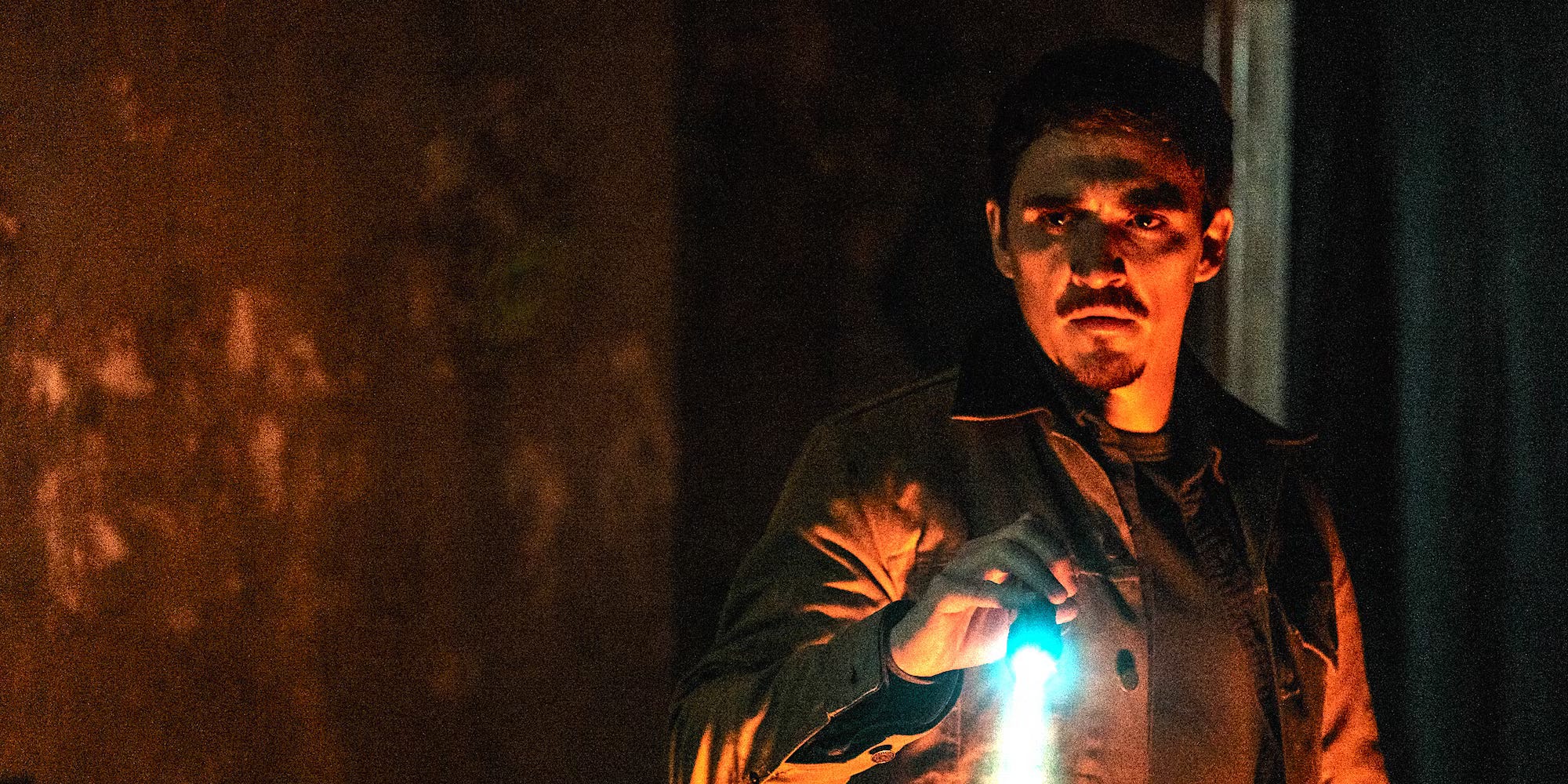
As is the case with those filmmakers’ work, there is a general formal one-dimensionality to Barker’s sophomore film. (His debut feature, Milk & Serial, was released on YouTube in 2024). It’s true that a lot of critically lauded horror has completely succumbed to formal predictability and monotony as well — think of the dreadful, trite camera movements of Robert Eggers’ acclaimed Nosferatu (2024) — but Barker and his second-generation Splat Pack brethren utilize their unfussy, straightforward formalism toward similarly unfussy, straightforward ends.
Barker’s lack of concern with what fits into notions of respectable genre filmmaking is what sets him apart from Parsons the most. Barker is mostly focused on what “works” and every aspect of the film is designed to propel scenes toward either a revelation, a gag, or a scare. There is an economy to Obsession’s conception that contemporary horror filmmaking (and American filmmaking more generally) is sorely lacking. It’s easy to imagine Barker coming up with this very basic premise (with some help from an episode of The Simpsons) and developing everything else from there with little to no mind paid to its implications. This approach is admirable in some ways, especially when contrasted with the pretensions of some of his horror peers. Barker’s film is devoid of any gestures toward respectability (what critics might term “intelligence”) and, as was the case with Weapons, any such gestures would likely have been to the film’s detriment.
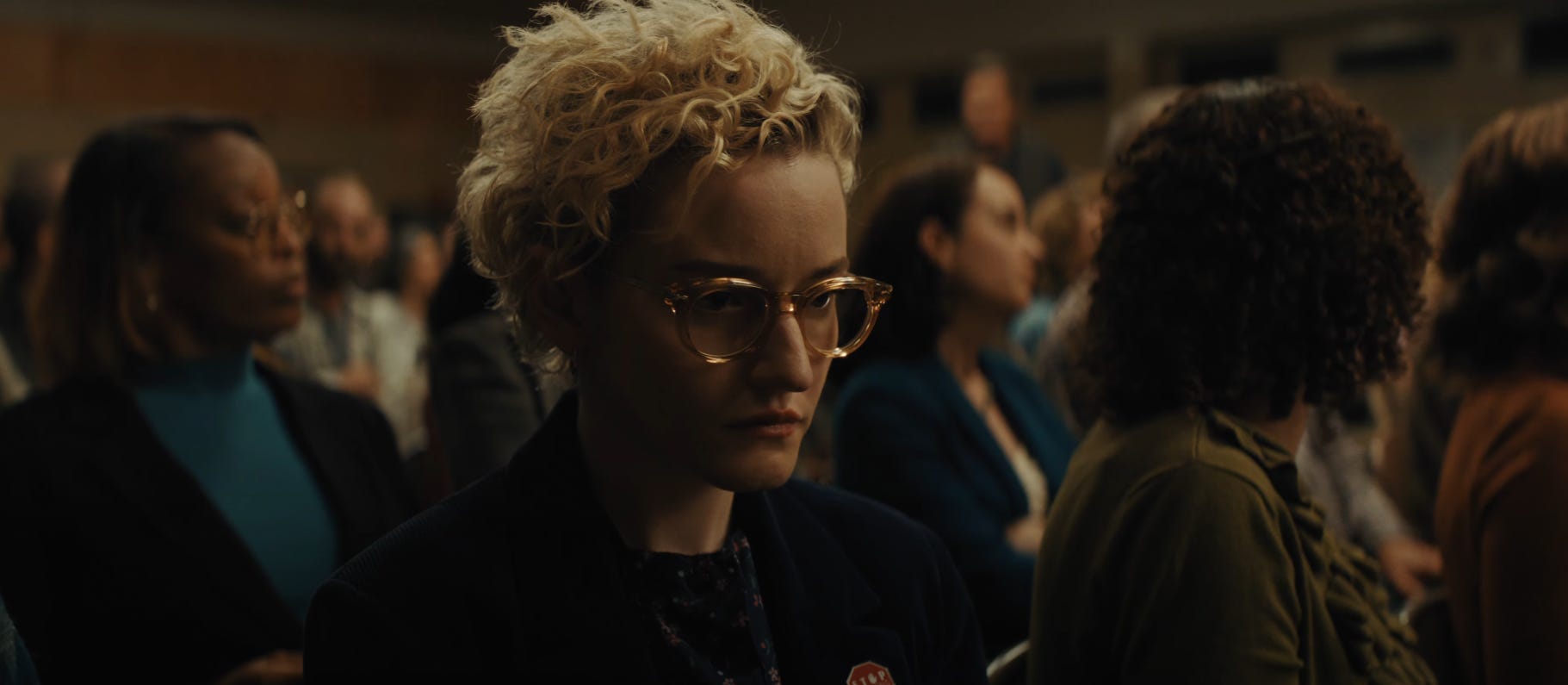
Obsession is uninterested in the signifiers of “quality” and there is something very free about its directness, its meanness, about the way it will often play the torment of its central female character for laughs — Barker has a knack for infusing otherwise comedic scenes with genuine terror — the way it will stage a big emotional scene for a character only to cruelly and graphically off them a minute later. It’s something very, very few horror movies have been able to achieve lately; even Ari Aster’s trollish instincts are often hindered by his smarty-pants political ambitions. Barker doesn’t have Aster’s depth but he is someone who can follow through on an idea no matter how ridiculous or half-baked it is.
When considered in this context, the film’s aforementioned formal one-dimensionality begins taking on a new character, something stemming from an artistic bullheadedness rather than a lack of imagination. Reflective of the film’s title, Barker is obsessive about putting these formal limitations on himself, opting to only ever move the camera when he thinks it absolutely necessary. Consequently, most of the film is presented in static shots, a monotony that makes the occasional pans that showcase Nikki’s (breakout star Inde Navarrette) erratic and eerie movements all the more effective.
But even though these constraints can yield worthy results, they can also come with ideological baggage. Considering the imagery and character dynamics Barker trades in — once Nikki falls under the spell of the One Wish Willow she essentially transforms into a “crazy girlfriend” stereotype — it’s hard not to lend some credence to the critiques describing Obsession as misogynistic (or at least allow that those critiques are made in good faith). At the same time, a lot of ideologically-driven criticism has an unfortunate tendency to prematurely end its investigating where more substantial analysis would only just begin. Whether or not Obsession is misogynistic is a question worth asking but if the answer is indeed “yes” then the next question should be “In what way?”

Images operate independent of their creators’ intentions but given the cultural climate — a hangover of the first Trump presidency — Barker must have had an awareness of how his winking “BPD GF” horror movie would play even if the film goes out of its way to make it clear that its sympathies do in fact lie with Nikki. Yes, Barker takes great pleasure in subjecting his characters to violence and like a lot of other horror films, the women get the worst of it; compare the way a female character gets her head bashed in and subsequently has her naked corpse put on display with the unceremonious bullet to the head that ends a male character’s life only a few moments later. There’s also the fact that Nikki is effectively the film’s monster although, to quote Robin Wood’s review of Brian De Palma’s 1972 film Sisters, “the film follows the time-honored horror film tradition of making the monster emerge as the most sympathetic character and its emotional center.”
Genre films (and horror in particular) are always going to be something of a double-edged sword when it comes to representing these issues and archetypes on screen but Obsession sits comfortably in the exploitation tradition and shares its unique ability provide a language through which we can begin to talk about tragedy and, yes, trauma. It’s regrettable that the film is uninterested in exploring the theme of consent, a topic its premise inevitably raises but at the same time the film does succeed in building up an incredible amount of steam that effectively portrays just how horrific, vulnerable, and ugly Nikki’s situation truly is. And though Navarrette’s performance frequently falls into a register best described as “edgy sketch comedy,” Barker manages to harness the emotional momentum by pushing the performances further into extremes as the film goes on.
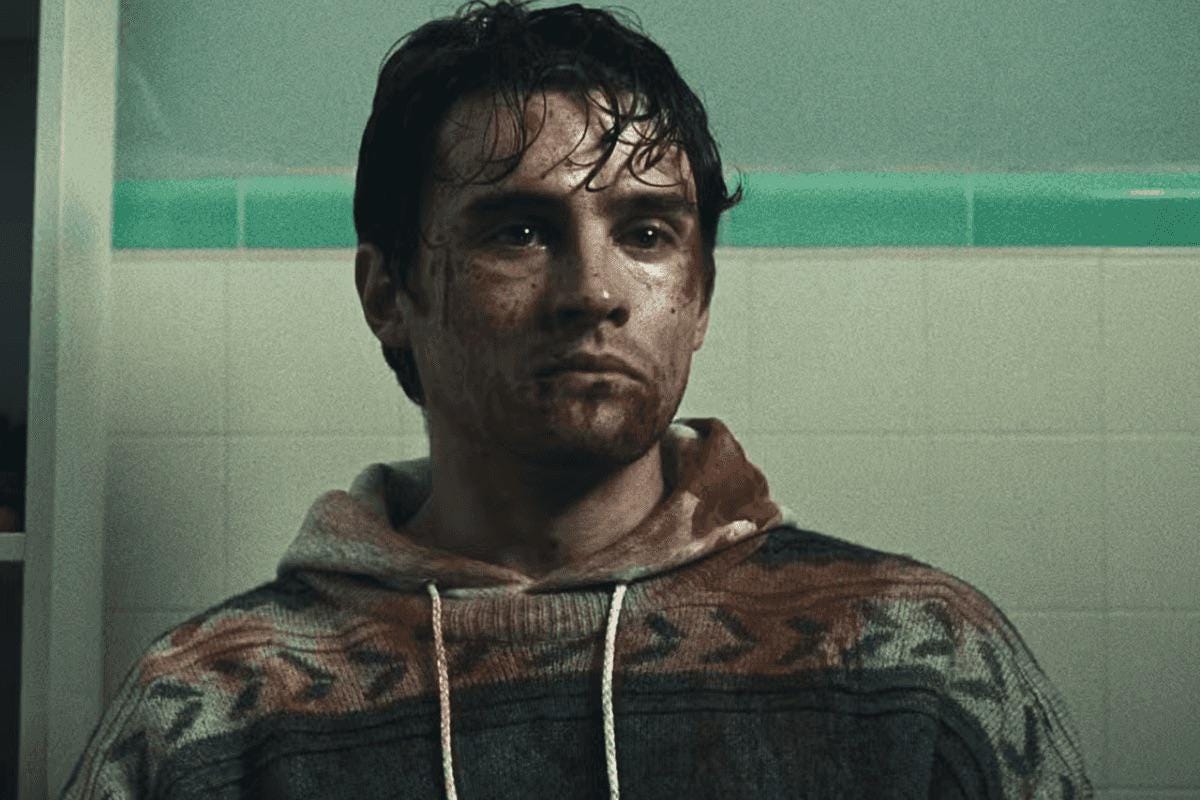
That both Obsession and Backrooms lack a certain refinement is of course unsurprising since their young directors — Barker is twenty-six and Parsons recently turned twenty-one — are just getting their start. It’s nonetheless curious to observe how much of a hindrance this lack of refinement is for one film and how much it adds to the other. Really, what Obsession and Backrooms represent are the two likeliest ways forward for American horror cinema. Parsons’ evenhandedness might suggest more dramatically sturdy work somewhere down the line but after more than a decade of “elevated” horror dominating the discourse, his film also can’t help but feel like something of a relic. How much interest would there be for a film like this if it wasn’t for its connection to the internet-bred Backrooms mythos?
As of right now, the movement around the fratty Splat Pack II boys, for all of its shortcomings, is looking a lot more vital, a lot more invigorated than their middlebrow counterparts. (So much more vital that it was Smile that stretched its claws behind enemy lines and put the first nails in the “trauma horror” coffin.) It’s quite possible that the era of respectable horror fare is drawing to a close and that there is a renaissance of unabashed ugliness just around the corner. But the disparities extend beyond the purely aesthetic. Aside from differences in budget, there is also the fact that Backrooms was guided through the production process by an army of producers (including Osgood Perkins, James Wan, and, hilariously, Shawn Levy) while Obsession became the subject of a heated debate when Sally Choi, the film’s art director, criticized the working conditions of the non-union production.
Though paying workers fairly and not working them to death should be the minimum, what does it mean when securing the funds to do so entails taking money from a company like A24? (Aside from their AI business dealings, A24 Partner Scott Belsky was recently revealed to be palling around with the likes of Peter Thiel, Ted Cruz, Steven Pinker, and Sam Harris, among many others.) The question of what horror filmmaking might look like in the future will undoubtedly have to be answered with regard to the circumstances of their production as well. But if these are the only options available to us, perhaps it’s imperative that we find new ways forward.